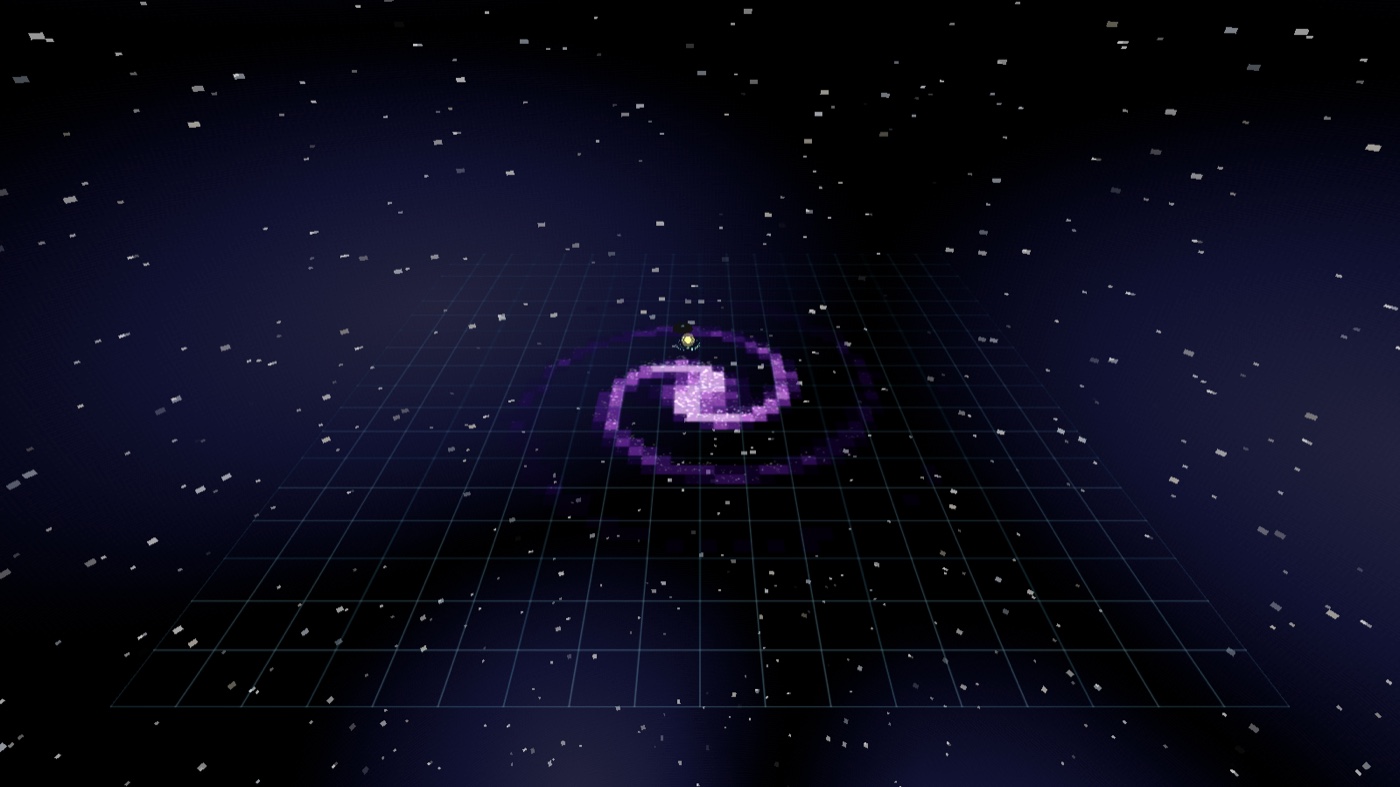
The Game
The galaxy is ending. Decide what it leaves behind.
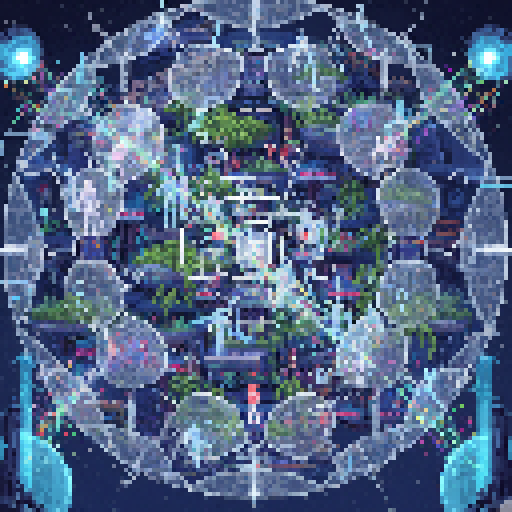
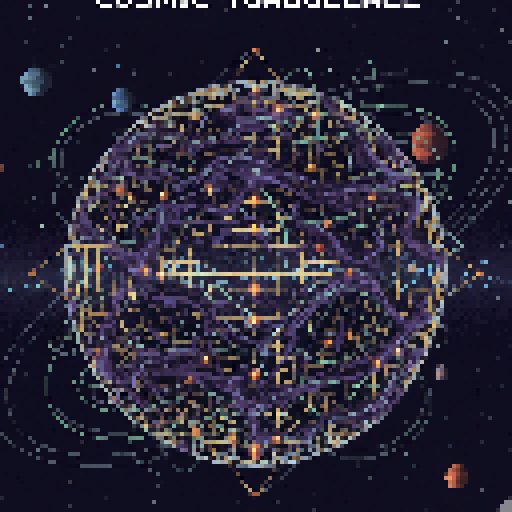
A free, turn-based 3D strategy game set in the final era of the Milky Way. Explore a procedurally generated galaxy, raise Dyson spheres around its stars, tend the civilizations on the worlds you discover, and play cards that bring flourishing to your systems, or storms to your rivals'. Every choice is written into the souls it touches.
Begin Your MissionCross a galaxy before it collapses.
Pass agendas. Answer every threat.
Leave the universe something worth remembering.
How a Game Actually Plays
Try it right here — interactive previews built with the game's own interface and numbers.
One turn
≈ 34.7 million years
Turn1of 72≈ 0.03 billion years
Turn 72
2.5 billion years — the merger completes
Step 01
Choose Your Timeline
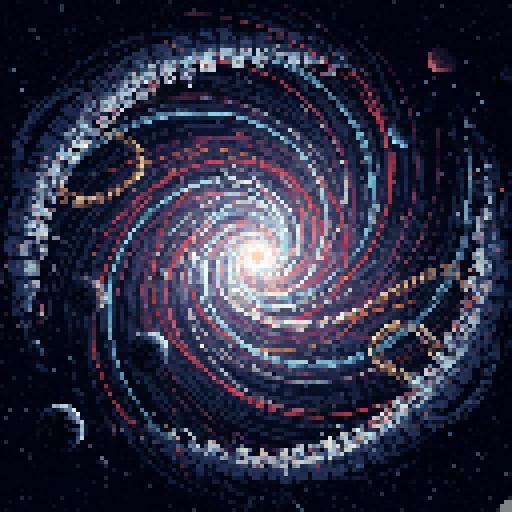
The Galactic Collision is the story campaign: 72 turns across the Collision Era, the 2.5 billion years in which the Milky Way and Andromeda become one, each turn a pulse of about 35 million years. Open Currents of the Cosmos removes the horizon entirely. There is no turn limit, only the consequences of what you choose.
0EnergyTurn1
Sol Prime+5,800/turn
Sun-like star · 8 planets · Terra holds 10 billion souls
1move left
Your ship is docked at Sol Prime.
Step 02
Command the Galaxy
In the story campaign, your first ship is docked at Sol Prime, a starter system of eight planets. One of them is Terra, where ten billion souls are still being written. From here you draw energy, draw cards, and move across an 18×18 procedurally generated galaxy.
Live
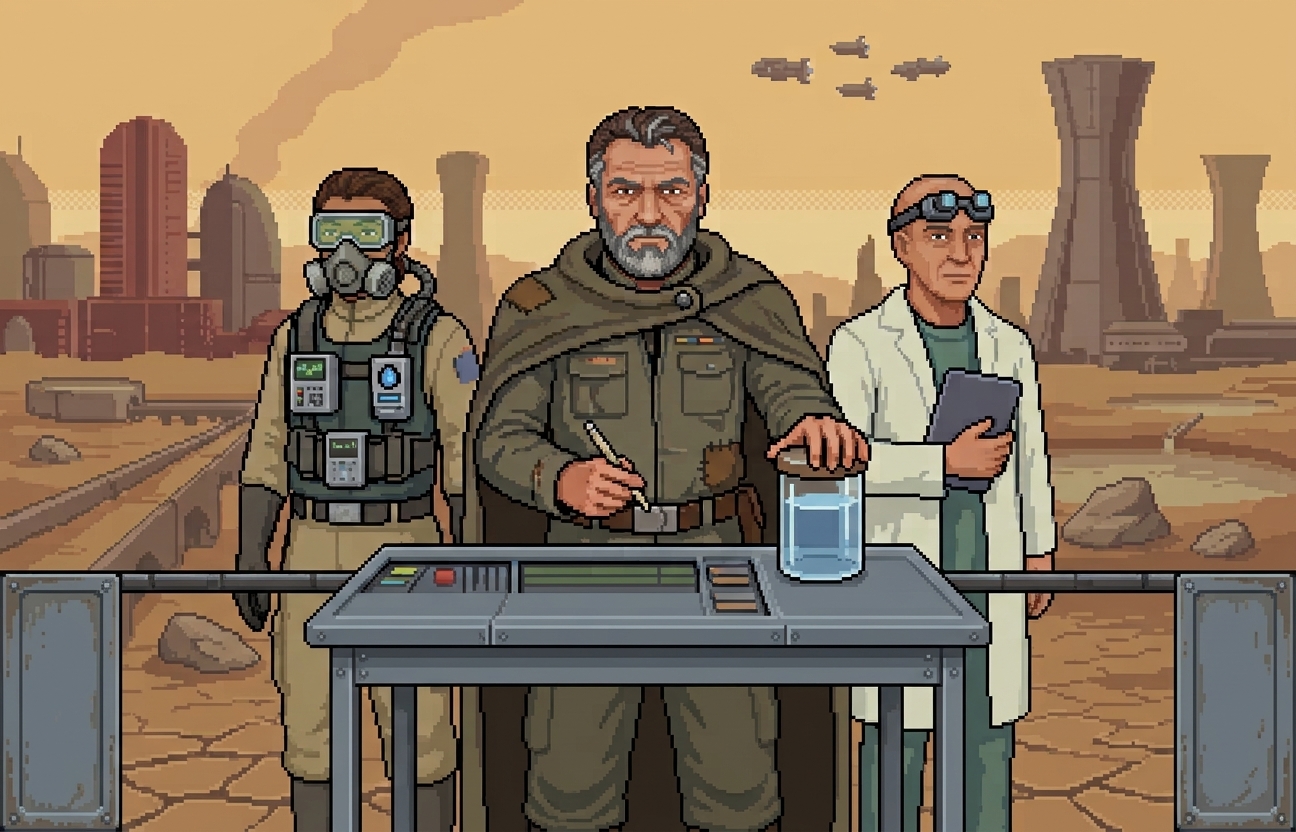
Terrans
A world you discovered
Intercom · Civilization
Disposition10
Terrans: This is Terra. Welcome, steward. Ten billion of us live in your care, and we have only ever seen the stars from below. You fly between them. Tell us who lives out there.
Agreements
- Presence
- Alliance
- Governance
Gifts raise their disposition. Presence needs it at 0, an alliance at 40; a people that struggles may accept your rule.
The Kongress's record
- A channel is open.
Signal
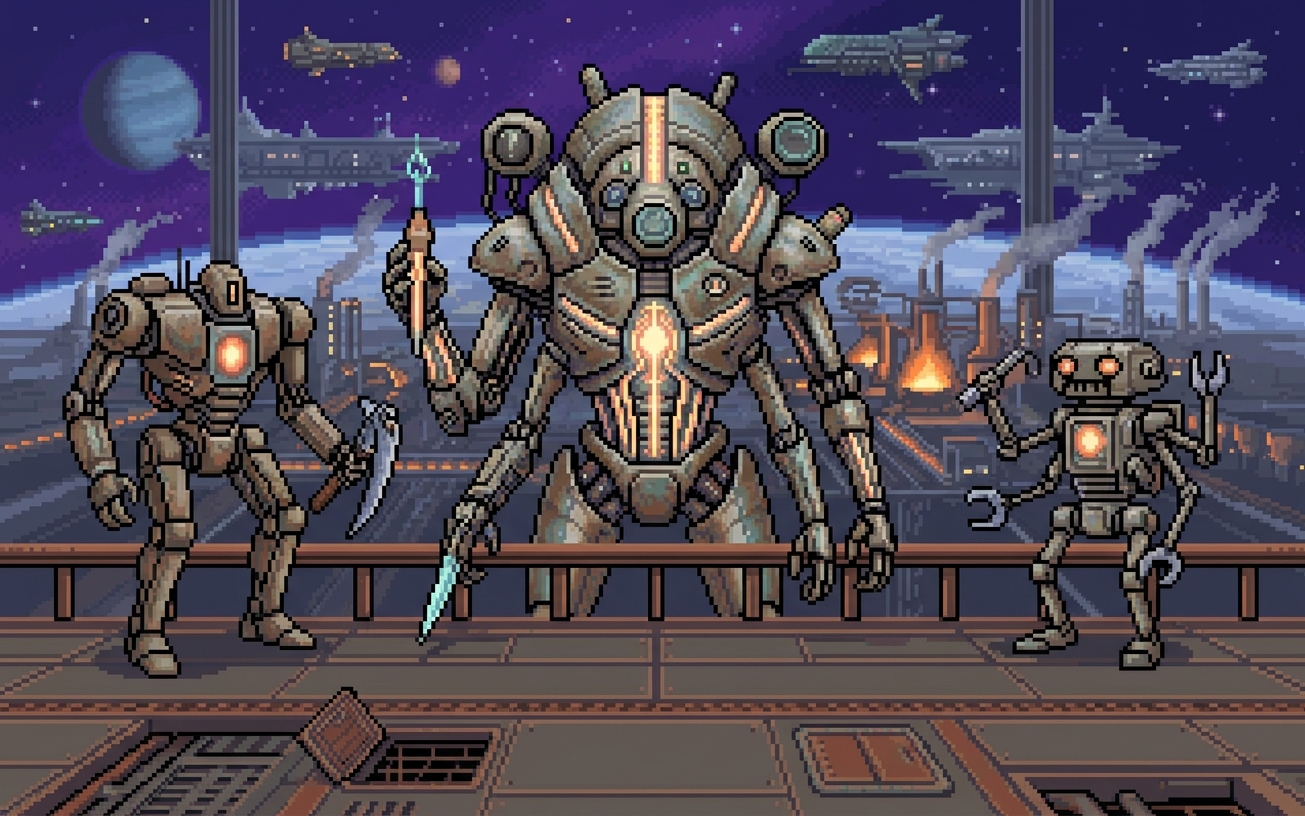
The Ferrous Choir
Core 040 · A machine world
Step 1 · Knowledge transfer
Centralized- Soul particles
- 0
- Strength
- 46
- Deals hold
- ~65%
The Ferrous Choir: One core. Ten thousand drills. One chord. The core opens no line before a knowledge transfer.
Transfer: 8,000 energy to open the line
By transaction only
- 1Knowledge transfer
- 2Certificate validation
- 3Single trades
What the antennae read
No soul particles: machines are not alive. They deal, and a deal may not hold.
60,000EnergyRaid incoming · lands in 8 rounds
Step 05
Turn Back the Raids
Spacefaring machines launch raids from a source world, and you can watch each one cross the galaxy toward its target. Build a warship within reach, and when the raid lands, fight back at the odds your warships give you, or let it hit: it drains energy and can damage a structure. Destroy the source, and every raid it sent goes dark.
Six Species, Six Ways to Play
Read their lore
Nebula Drifters
Ethereal Form: Ships can move 2 spaces per turn

Crystalline Harmonics
Energy Resonance: Dyson spheres generate 15% more energy

Abyssal Collective
Distributed Cognition: Resolve threats for 20% less energy

Quantum Architects
Predictive Algorithms: 25% chance to avoid threats when rolling dice

Mycelial Network
Rapid Adaptation: Seize opportunities for 20% less energy

Plasma Consciousness
Cards Drawn From a Real Catalog
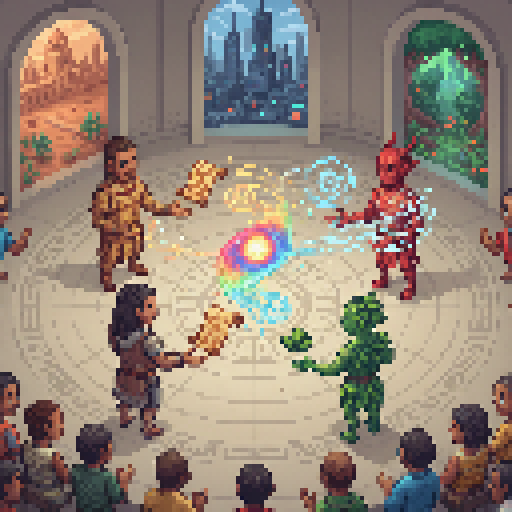
Every Agenda, Chaos, Threat, and Opportunity card you draw in-game comes from one live catalog, written and illustrated in Card Authoring and shared with the companion Deck Builder, where you can draft a deck of your own.

Where to Next